sportsReview
Psg Paris St Germain Uefa Champions League Arsenal Thierry Henry Kylian Mbappe
Indian Express•
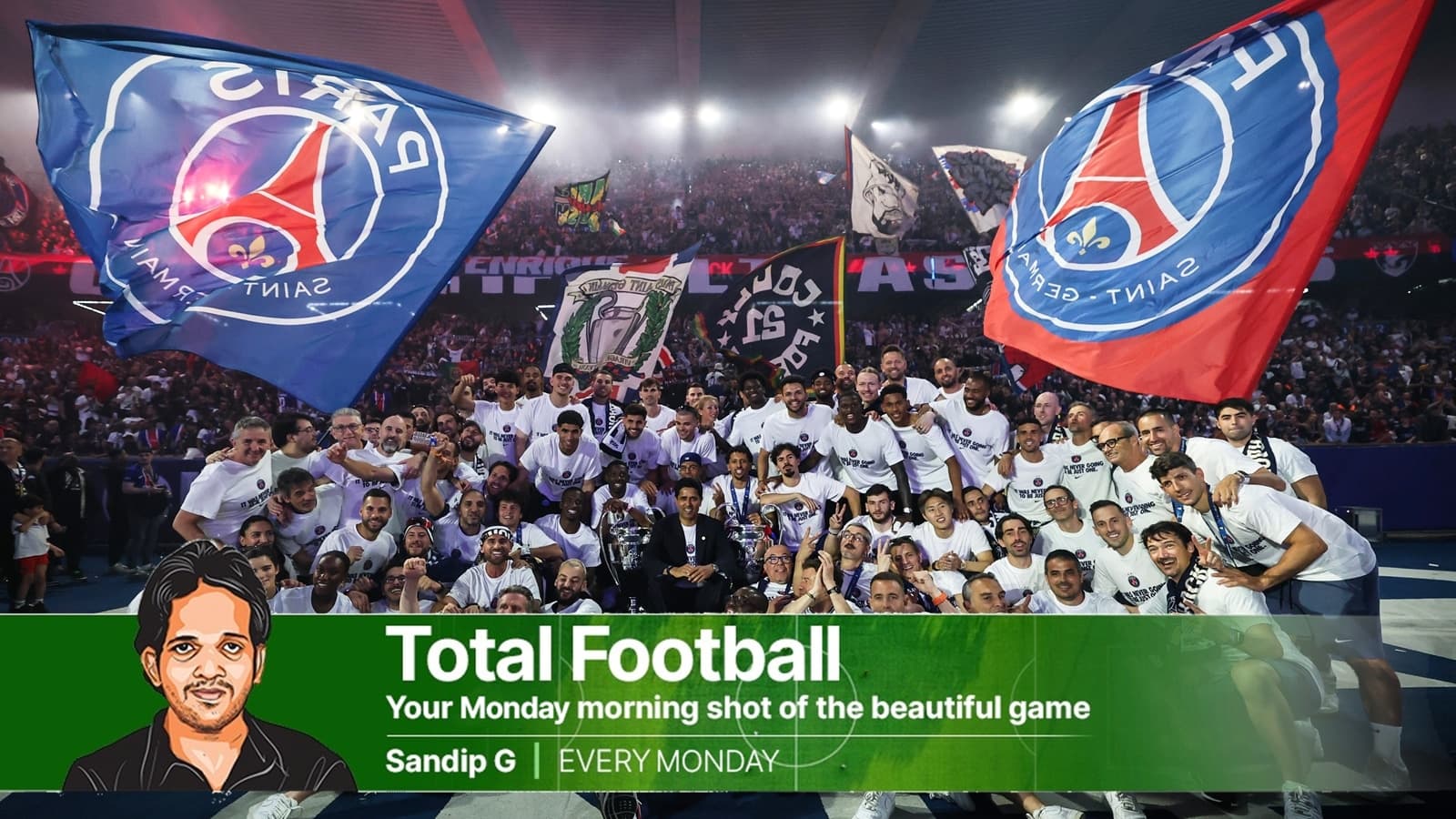
The city of love, of numerous museums and art houses, of the Louvre and the Eiffel Tower, was poor for a footballing monument. France as a nation excelled, stacked World Cups and European Championship, produced artistic footballers as the artists and writers t... The city of love, of numerous museums and art houses, of the Louvre and the Eiffel Tower, was poor for a footballing monument. France as a nation excelled, stacked World Cups and European Championship, produced artistic footballers as the artists and writers that made Paris their spiritual and literal home. Among Europe’s top five, French clubs have been the least successful, collecting a grand sum of three Champions League trophies. Paris or Monaco, Lille or Marseille did not inspire the awe of Milan or Madrid, Manchester or Munich, Amsterdam or Liverpool. Its congested banlieues raised great footballers, among them Thierry Henry and N’golo Kante; Kylian Mbappe and William Saliba helm the new wave of talent, but not a club that conquered Europe. But by retaining their European crown, a feat only managed by Real Madrid in the Champions League era, PSG have furnished Paris a footballing identity it never owned. Across different eras, numerous clubs had blossomed and withered in the city — most notably Racing Club de France, for whom turned up the French writer Albert Camus — but none could capture the global consciousness as PSG has. The club that once languished in the bottom half of Ligue One, that had collected only two titles before the Qatari takeover, is already the identity of French football, arguably the most liked and followed French club outside the country. PSG went through several cycles of derision and mocking; they were called upstarts and nouveau riche, “monarchs of farmer’s league”; ridiculed for their wanton spending, which in hindsight was a sharp business model to build a fan-base, summon global attention, before getting to the real deal of building a dynastic team. The evolution is fascinating — first a refuge of ageing stalwarts, next of superstars with gigabyte-egos that rebelled mutually but spiked their social media followers, surged their advertisement revenues and bolstered jersey sales, and now a collection of exquisite footballers who dazzle individually and function collectively. The transformation was frighteningly rapid; it was only three seasons ago that Luis Enrique took over and transformed the club’s culture and made them emperors of Europe. His PSG are the strongest club in Europe; in winning and defending the title, they toppled all the English clubs they could lay their hands on, upended the royalty of Spain, Italy and Germany. They are also the most exhilarating band, capable of turning on flair without forsaking control, skilled at out-muscling and outlasting their rivals without being excessively physical. Arsenal were an immovable 11-man mountain, so they didn’t look to blast the mountain straightaway, but dug passes across it to reach the summit. Enrique’s men could carnage defences with their speed and skill; they could bolt teams out of games too. The rearguard
ios_share
Share this article
Article Details
Indian Expresssports