politicsNews
Exclusive Annamalai Decides To Quit Bjp In Major Twist For Tamil Nadu Politics
Indian Express•
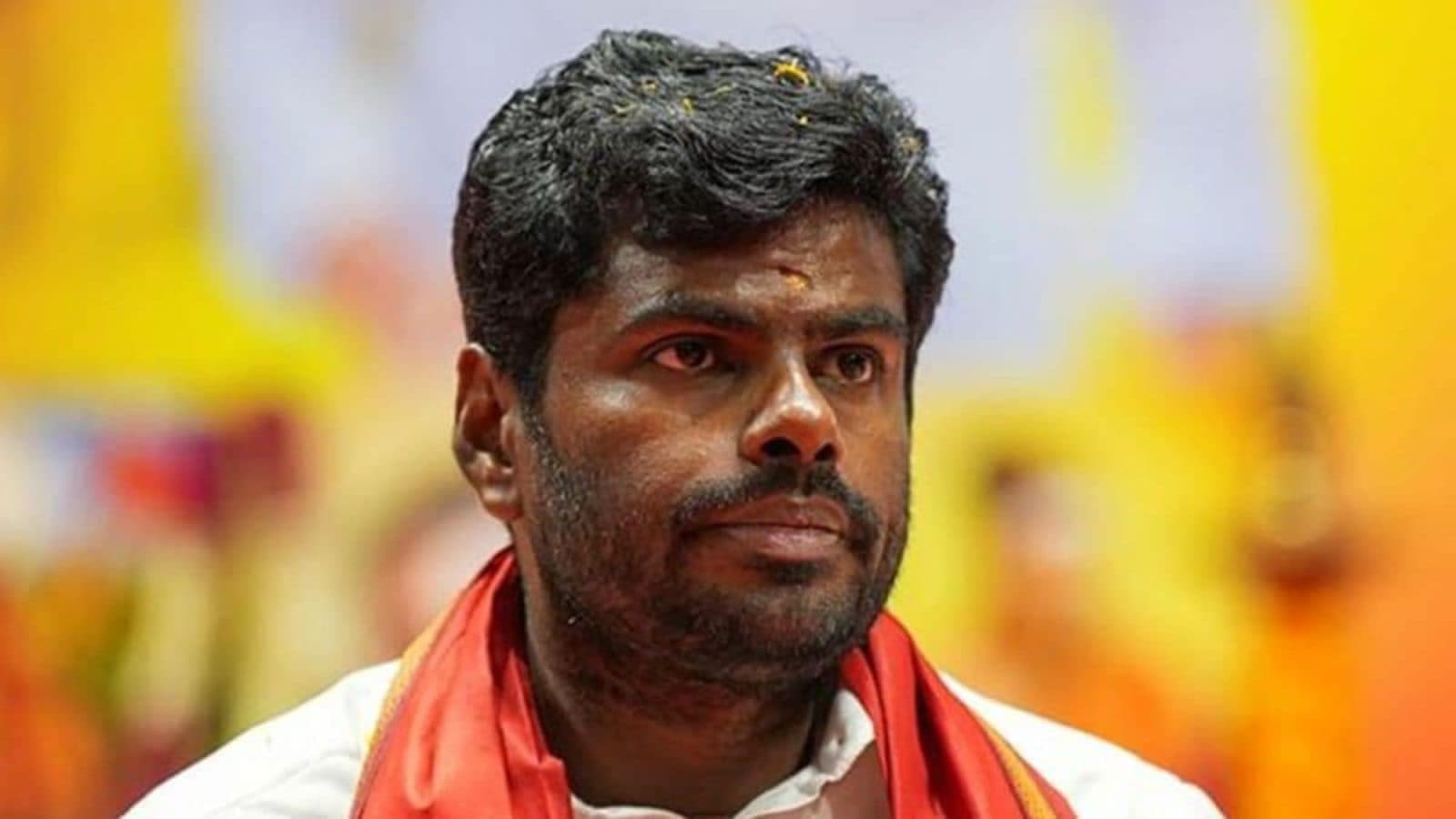
K Annamalai, the former Tamil Nadu BJP president and one of the party s most visible faces in the South, has decided to submit his resignation from the BJP and is expected to formally convey his decision to party chief Nitin Nabin in Delhi on Tuesday, accordin... K Annamalai, the former Tamil Nadu BJP president and one of the party’s most visible faces in the South, has decided to submit his resignation from the BJP and is expected to formally convey his decision to party chief Nitin Nabin in Delhi on Tuesday, according to multiple senior BJP sources familiar with the development. Annamalai, who will reach Delhi on Monday night, is expected to meet Nabin to formally place his decision on record. Reliable sources in the BJP said he has already made up his mind and that the Delhi visit is intended not merely as a political meeting but also as a gesture of gratitude towards a party with which he spent the last six years of his public life. “He wants to thank the leadership for the opportunities, experiences and political journey the BJP gave him after he resigned from the IPS,” a top source familiar with the discussions said. The development, if confirmed formally on Tuesday, would mark one of the most significant political departures in Tamil Nadu since actor-turned-politician C Joseph Vijay’s electoral victory reordered the state’s political landscape and triggered fresh questions inside almost every major political formation. For weeks, speculation surrounding Annamalai’s future had dominated political conversations in Chennai and Delhi alike. National television channels debated whether he was preparing to launch a new political outfit, and social media produced daily theories. Yet while the rumours multiplied, Annamalai notably stopped short of issuing the sort of categorical denial that usually buries such speculation. Inside BJP circles, the discussion gradually shifted from whether Annamalai was unhappy to what exactly he wanted. Several leaders familiar with internal conversations said his message to the party’s national leadership had effectively narrowed to two options: restore him to a position where he could lead the BJP in Tamil Nadu with long-term autonomy and authority – for at least seven years – or allow him to pursue a different political path. The question gained urgency after Vijay’s rise dramatically altered Tamil Nadu’s political arithmetic. The speculation reflects a larger crisis confronting not just the BJP but nearly every established political force in Tamil Nadu after Vijay’s rise. For about half a decade, Annamalai was projected as the BJP’s future in the state. He resigned from the Indian Police Service, entered politics at a relatively young age and quickly emerged as the party’s most visible face. Even critics acknowledged his energy, organisational drive and ability to dominate political conversations. Yet his political identity often sat uneasily inside the BJP’s traditional framework. Unlike many hard-line leaders elsewhere, Annamalai rarely built his politics around overt communal rhetoric. His speeches frequently drew from Tamil identity, governance, corruption, development and administrative reform. He often appeared to
ios_share
Share this article
Article Details
Indian Expresspolitics