nationalOtt
Ranveer Singh Took Smaller Fee For Dhurandhar Earned More Through Backend Deal
Indian Express•
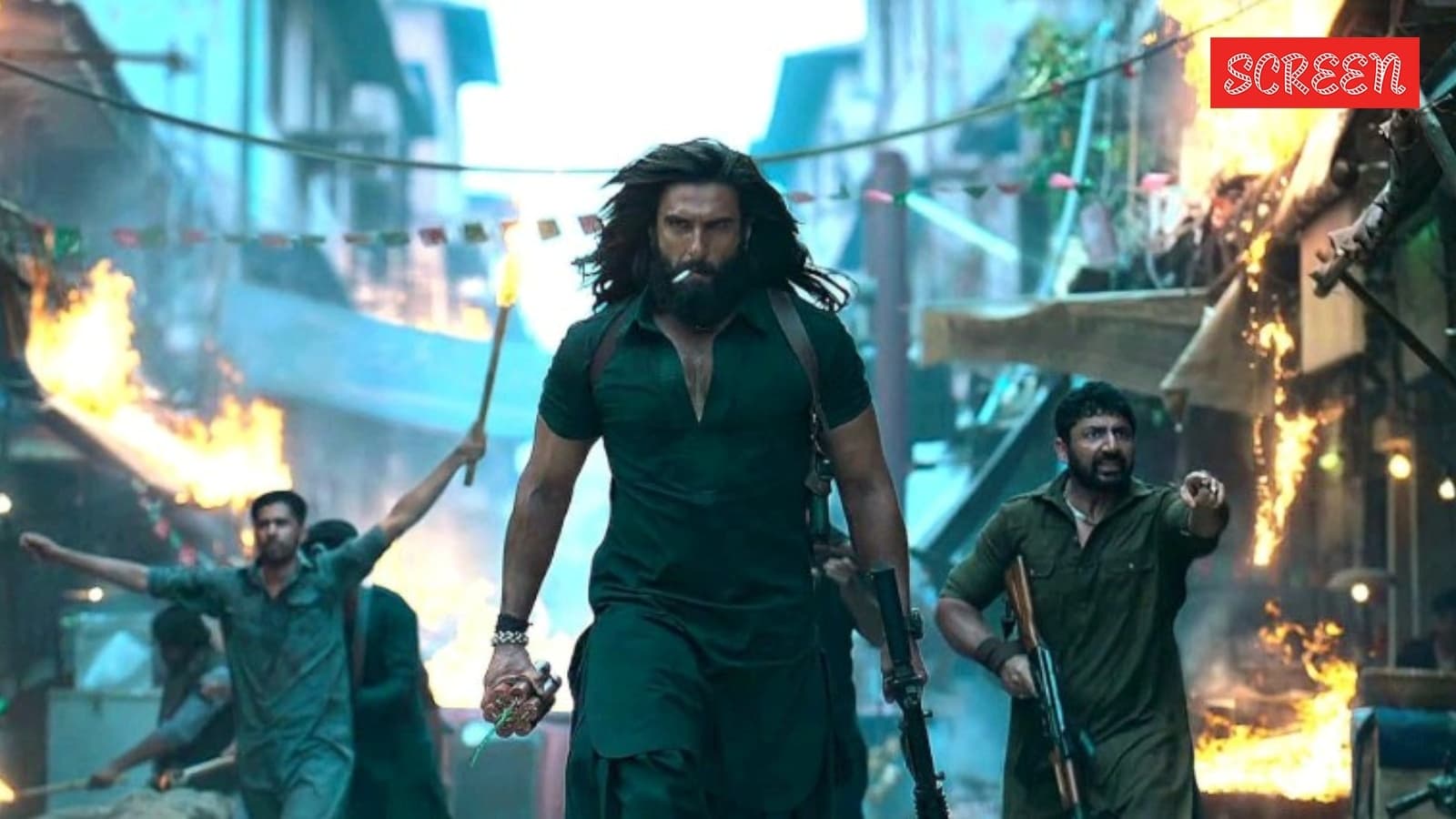
Ranveer Singh's Dhurandhar emerged as one of the biggest box-office successes in recent years, with both Dhurandhar and its sequel Dhurandhar: Revenge collectively earning over Rs 3,000 crore worldwide and cementing the franchise's place among Indian cinema's... Ranveer Singh's Dhurandhar emerged as one of the biggest box-office successes in recent years, with both Dhurandhar and its sequel Dhurandhar: Revenge collectively earning over Rs 3,000 crore worldwide and cementing the franchise's place among Indian cinema's biggest commercial successes. Jyoti Deshpande, who co-produced the franchise under Jio Studios, has revealed how the makers navigated escalating production costs, adopted a risk-sharing model with Ranveer Singh and director Aditya Dhar, and took the decision to split what was originally conceived as a single film into a two-part saga. In a conversation with ET Digital, Deshpande opened up about the creative and business decisions that played a key role in shaping the blockbuster franchise. Ranveer Singh and Aditya Dhar opted for backend deals Jyoti Deshpande revealed that both Ranveer Singh and Aditya Dhar chose to take smaller upfront fees and instead participated in the film's profits through backend deals. "In Dhurandhar, Ranveer came with a smaller fixed fee and a backend deal, and therefore benefited from that arrangement. The same was true for Aditya, who also came in with a smaller fixed fee and a backend. He ended up making a significant upside along with us. That's how you distribute both the risk and the reward." She added that the strategy ensured that everyone involved in the project had a stake in its success rather than relying solely on large upfront payments. Dhurandhar's budget nearly doubled According to Jyoti Deshpande, Dhurandhar eventually cost almost twice as much as originally planned. "On Dhurandhar, we went all in. The film ended up being made for almost double the amount we had initially set out to spend. Of course, we eventually ended up with a two-part film, so it became a journey. In the end, all of us went laughing to the bank." The producer explained that the increased scale of the project ultimately paid off, with both films going on to become major box-office successes. ALSO READ: Dhurandhar star Gaurav Gera had only Rs 84, bowed to the bank everyday: ‘Take care of me’ Why the makers decided to split the story into two films Durng the interview, Jyoti Deshpande revealed that Dhurandhar was originally conceived as a standalone film and not as a franchise. "Dhurandhar was written as one story. It was envisioned as one film and budgeted as one film. But after we completed the first shooting schedule, we realised the budget had already exceeded what we had planned." She said the footage from the first schedule convinced the team that the story had the potential to be expanded. "The footage that came out of that first schedule was beautiful. The pace of the storytelling made us feel the story had the legs to become a two-part film." However, she stressed that the decision was
ios_share
Share this article
Article Details
Indian Expressnational