nationalVideo
Twisha Sharma Dowry Death Mother In Law Court Media Trial
Indian Express•
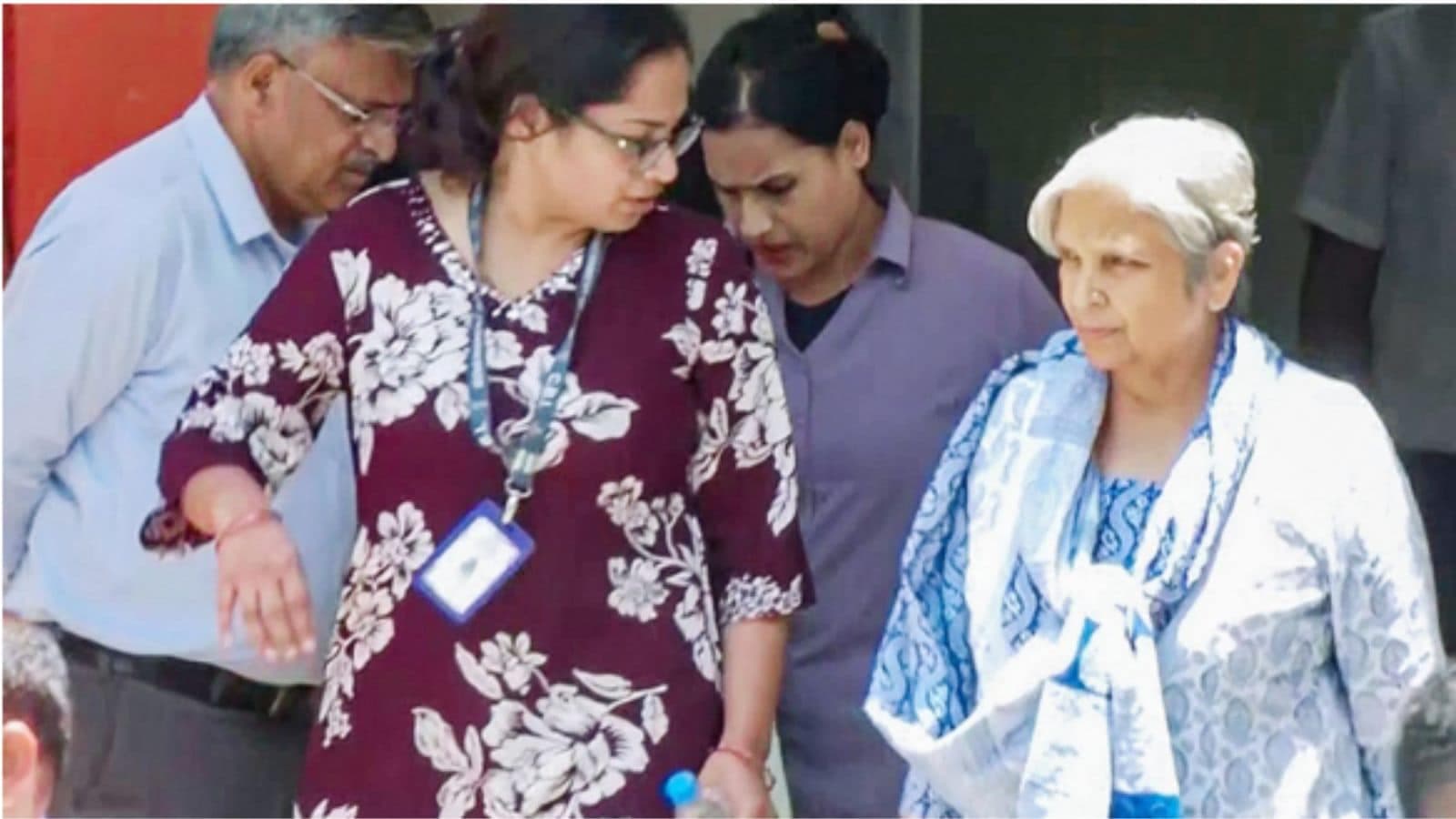
Retired district judge Giribala Singh, who was produced before a court in Bhopal on Tuesday along with her son Samarth Singh after the end of their time in CBI custody, took the opportunity to address the court regarding safety concerns, an alleged media trial... Retired district judge Giribala Singh, who was produced before a court in Bhopal on Tuesday along with her son Samarth Singh after the end of their time in CBI custody, took the opportunity to address the court regarding safety concerns, an alleged media trial and issues regarding the investigation into the death of her daughter-in-law Twisha Sharma. Both the accused were sent to judicial custody until June 16 after the CBI informed the court that it was not seeking further custody of the duo. Before being sent to jail, both accused sought special security arrangements, arguing that they faced safety concerns. Giribala Singh told the court that she had delivered judgments in numerous criminal cases during her decades-long career and feared that convicts or persons affected by those decisions could be lodged in the same prison. She requested that she be housed separately and provided additional protection. Judicial Magistrate First Class Shobhana Bhalave allowed this plea. The hearing was dominated by Giribala Singh, who sought permission to address the court directly. At various points, she questioned the manner in which the investigation had been conducted and alleged that she and her family had been subjected to a sustained media trial since Twisha Sharma’s death. Among the grievances raised was the recent crime-scene reconstruction conducted by the CBI at her residence in Bhopal’s Bagmugalia area. Giribala Singh complained that investigators had required her to get out of the vehicle several houses away from her home and walk through a crowd of journalists and camera crew before reaching the property. She argued that the process exposed her unnecessarily to public scrutiny and humiliation. She also raised objections to what she described as aggressive questioning during the investigation and sought greater protection from media attention while being moved between court, jail and investigative proceedings. According to those present, she urged the court to ensure that accused persons were not subjected to questioning by journalists during transit and sought safeguards against what she termed continuous public harassment. Another flashpoint during the hearing concerned events surrounding Samarth Singh’s appearance in Jabalpur before he was taken into custody. Allegations were raised that he had been mistreated and assaulted during the chaotic scenes that unfolded there. In response, the counsel appearing for Twisha Sharma’s family, Advocate Anurag Srivastava, disputed those allegations and instead “called for examination of CCTV footage from the court premises”, arguing that the “sequence of events could be independently verified through video evidence”. The CBI, which recently took over the investigation from Madhya Pradesh Police, did not seek further custody but retained the option of seeking additional remand later if required as the probe progresses. During the remand period, investigators questioned both accused over the circumstances surrounding Twisha’s death, the
ios_share
Share this article
Article Details
Indian Expressnational