technologyCollection
Cbse On Screen Marking System Row Dry Run Warnings Ignored
Indian Express•
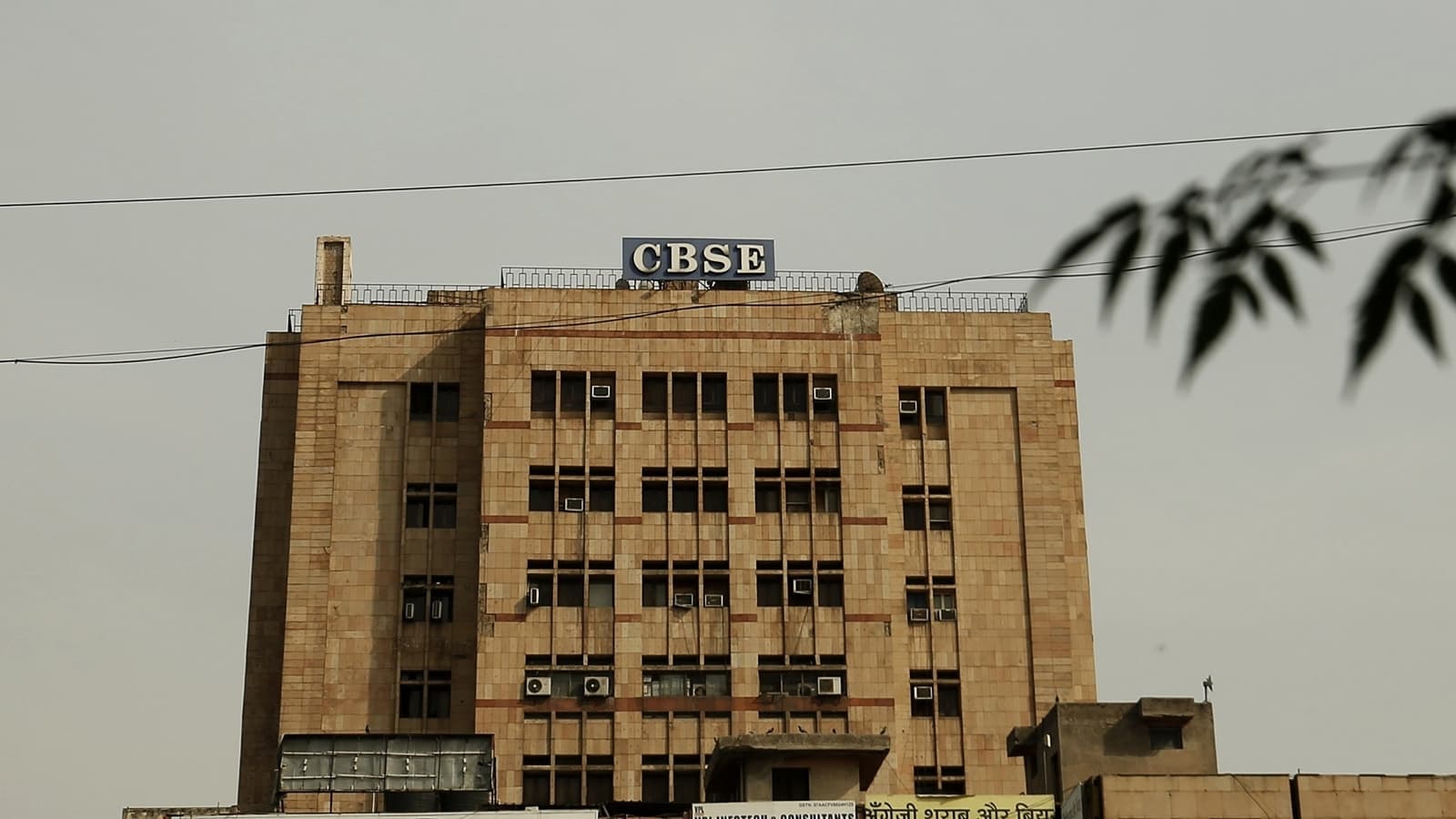
The CBSE s new On-Screen Marking (OSM) system needs at least a year s trial and rectification before being implemented. * The OSM system depends heavily on well-equipped evaluation centres and highly trained evaluators. The CBSE’s new On-Screen Marking (OSM) system needs at least a year’s trial and rectification before being implemented. Improved training is essential for fair, transparent, and error-free marking of answer scripts. This needs time to be done properly. The OSM system is glitchy, and it is unable to resolve these glitches speedily. These are some of the problems with the digital evaluation system that were explicitly flagged to the CBSE by participants in an evaluation dry run carried out by the Board less than a month before this year’s Class 12 examinations began on February 17. The CBSE pushed through the system anyway. Instead of paper booklets, examiners used computers to evaluate digitally scanned copies of answer scripts submitted by the examinees, which the CBSE put on a secure online platform. Students started complaining about their marks almost immediately after the CBSE declared the Class 12 results on May 13. On Tuesday, a public interest petition was filed in the Delhi High Court seeking an inquiry into the alleged irregularities, technical deficiencies, and grievance-handling failures associated with the OSM system. In the evening, the government removed the CBSE chairman, Rahul Singh, and the Board secretary, Himanshu Gupta, from their posts and ordered an inquiry into the OSM fiasco. The OSM pilot exercise was conducted in Delhi over three days in mid-January. Participants in the exercise included representatives of five among the capital’s most reputed schools – a group that includes private schools, schools run by the Delhi government, and Kendriya Vidyalayas and Navodaya Vidyalayas, which are administered by the central government. Principals, evaluators, examiners, and subject experts appointed by the CBSE took part in the exercise. The participants were trained on the OSM system, and were then asked to evaluate mock answer scripts using the new platform. The participants in the pilot exercise flagged a wide variety of problems with the marking schemes, calculations, and the technical working of the system, official sources familiar with the dry run told The Indian Express. Specifically, the sources said the problems that were identified on the first day of the exercise could not be rectified even by the end of the third day, when the exercise concluded. According to the sources, among the issues that the participants flagged in their feedback were: In one example documented by the participants, marks that an Additional Head Examiner (AHE) increased by 1.5 reflected in the system as minus 1.5, that is, a reduction instead of an increase. There was serious misalignment between the marking schemes provided to the examiners by CBSE, and what the software reflected. That is, marks that showed on the screen did not match with the marking scheme in some sets. In one paper set, while the question contained multiple parts, the total marks of only one part was
ios_share
Share this article
Article Details
Indian Expresstechnology