nationalNews
United States Fresh Tariffs India Trade Talks Underway Pakistan Canada Eu
Indian Express•
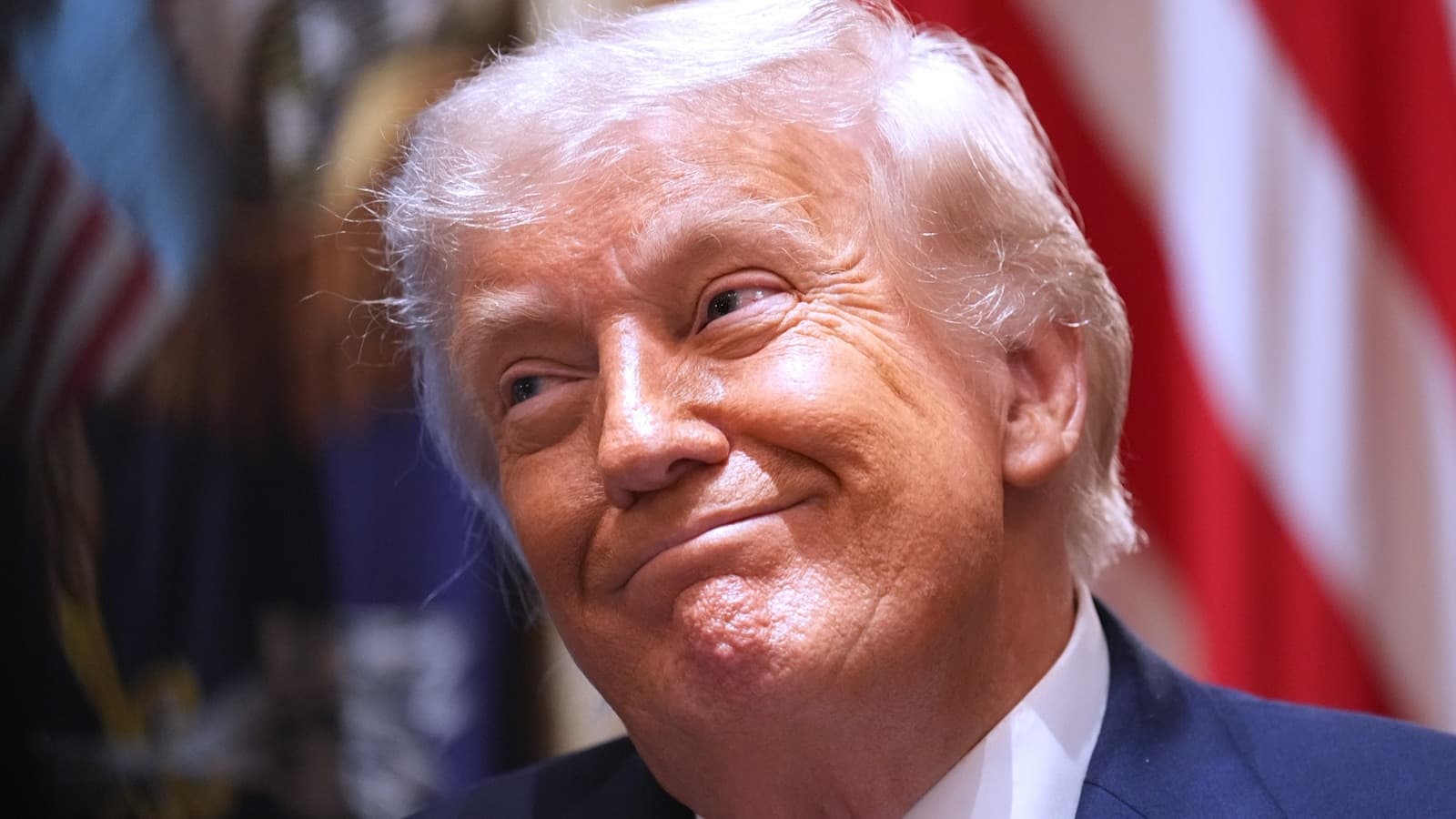
The United States Trade Representative (USTR) on Wednesday proposed 12.5% tariffs on India among 54 countries claiming that the country has failed to impose a legal prohibition on the importation of goods produced wholly or in part with forced labour and has a... The United States Trade Representative (USTR) on Wednesday proposed 12.5% tariffs on India among 54 countries claiming that the country has failed to impose “a legal prohibition on the importation of goods produced wholly or in part with forced labour” and has also “failed to effectively enforce such a prohibition”. This move comes as formal India-US negotiations for a deal began on Tuesday. However, USTR proposed a lower rate of 10% on Pakistan, Canada, Ecuador, the European Union, Indonesia and Mexico, stating that they have demonstrated a commitment to addressing forced labour imports and have committed to imposing and enforcing a forced labour import prohibition through a formal Agreement on Reciprocal Trade (ART) with the United States. “We found that India has failed to impose and effectively enforce a forced labor import prohibition..and failed to impose and effectively enforce a forced labor import prohibition is unreasonable. In section V, we found that the failure to impose and effectively enforce a forced labour import prohibition burdens or restricts U.S. commerce. For the foregoing reasons, the results of this investigation indicate that the acts, policies and practices of India related to the failure to impose and effectively enforce a forced labour import prohibition are unreasonable and burden or restrict U.S. commerce,” USTR said. The proposed tariffs could be imposed as early as July 7, as USTR is currently seeking public comment on these proposed actions, with written comments due by July 6, 2026, and a public hearing scheduled for July 7, 2026. Notably, India was also one of the worst hit by International Emergency Economic Powers Act (IEEPA) tariffs before they were declared illegal. Steep tariffs had resulted in a flight of foreign investment and resulted in steep depreciation of the domestic currency. The rupee has fallen almost 12% in the last one year. A formal trade deal remained aloof for months as the US demanded that India wind down imports of Russian oil and accept genetically modified American agricultural products. However, the India-US joint statement of February said India will eliminate or reduce tariffs on all US industrial goods and a wide range of US food and agricultural products, including dried distillers’ grains (DDGs), red sorghum for animal feed, tree nuts, fresh and processed fruit, soybean oil, wine and spirits, and additional products. Indicating signs of disagreement, the US later revised a factsheet softening its claims about the gains it had secured from New Delhi and entirely dropping a section on digital services taxes. The earlier version of the factsheet said India had “committed to” buying more American products and purchasing “over $500 billion of U.S. energy, information and communication technology, coal, and other products”. The updated factsheet, as well as the joint statement, tempered the wording from
ios_share
Share this article
Article Details
Indian Expressnational