technologyReview
Trump Ai Executive Order Frontier Model Review
Indian Express•
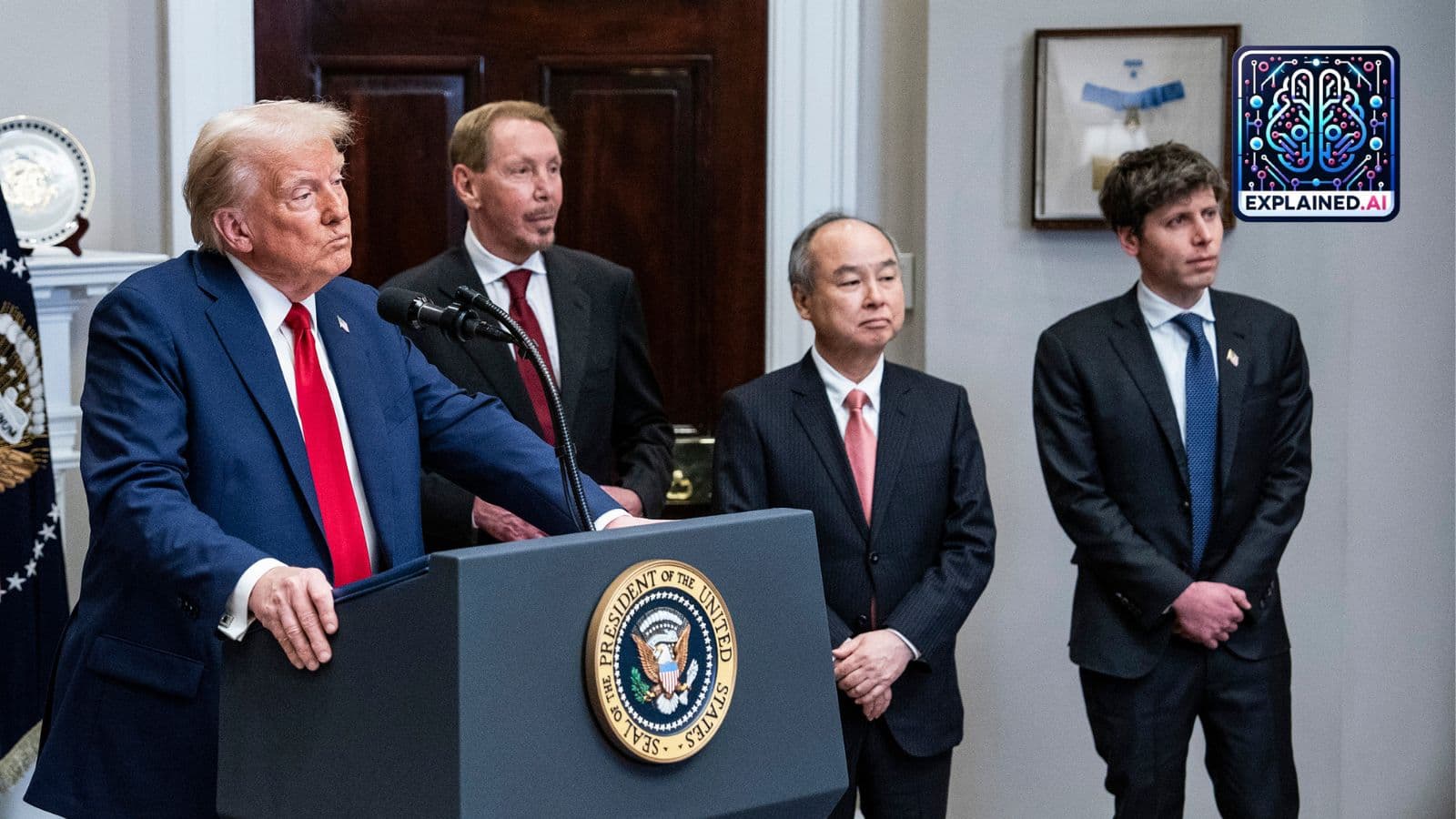
US President Donald Trump has signed a new executive order creating a voluntary mechanism under which developers of the most advanced artificial intelligence (AI) models can give the US government early access to their systems before public release. The move m... US President Donald Trump has signed a new executive order creating a voluntary mechanism under which developers of the most advanced artificial intelligence (AI) models can give the US government early access to their systems before public release. The move marks a notable shift for an administration that has generally favoured a hands-off approach to the powerful technology. Under the executive order, titled ‘Promoting Advanced Artificial Intelligence Innovation and Security’, federal agencies are directed to establish a framework through which AI developers can determine whether their systems qualify as “covered frontier models” and, if they choose to participate, provide government agencies access to those models for security testing before wider deployment. The White House said the objective is to strengthen cybersecurity and help protect critical infrastructure from vulnerabilities that increasingly capable AI systems may uncover or exploit. An earlier draft of the executive order had proposed giving federal agencies up to 90 days to evaluate frontier AI models before their public release, but the final version signed by Trump reduced the review window to 30 days following concerns from industry and administration officials that a three-month process could slow innovation and weaken the competitiveness of US AI companies. The executive order comes as powerful AI models like Anthropic’s Mythos become capable of exploiting cyber vulnerabilities at an unprecedented scale, and as the Pentagon pushes to integrate frontier AI into military operations. Former White House AI and cryptocurrency czar David Sacks said that while he understood concerns stemming from the order on account of bureaucratic mission creep, the change in review timelines was a “game changer”. “The change in the EO (executive order) from a 90 day to 30 day period is a game changer because it allows our AI labs to comply with the voluntary framework without delaying new model releases. They can synchronise their efforts under the EO with other pre-release activities,” Sacks said on social media platform X. Anthropic said that the executive order was “an important step in strengthening America’s leadership in AI,” and that it was looking forward to “collaborating with the White House to support its implementation”. In 2024, India had attempted a similar move, only to go back on it just weeks later due to significant pushback from the tech industry. Just ahead of the Lok Sabha elections that year, the IT Ministry issued an advisory requiring AI platforms to seek government permission before launching “under-testing, unreliable” services, but revoked it a fortnight later, owing to mounting criticism. One of the key provisions is a 30-day review period. Participating developers would allow designated government agencies to test advanced models for up to a month before they are released outside government circles. Agencies including the Departments of Defense, Commerce, Homeland Security and Treasury are
ios_share
Share this article
Article Details
Indian Expresstechnology