nationalCollection
College Street Book Market Eviction Panic
Indian Express•
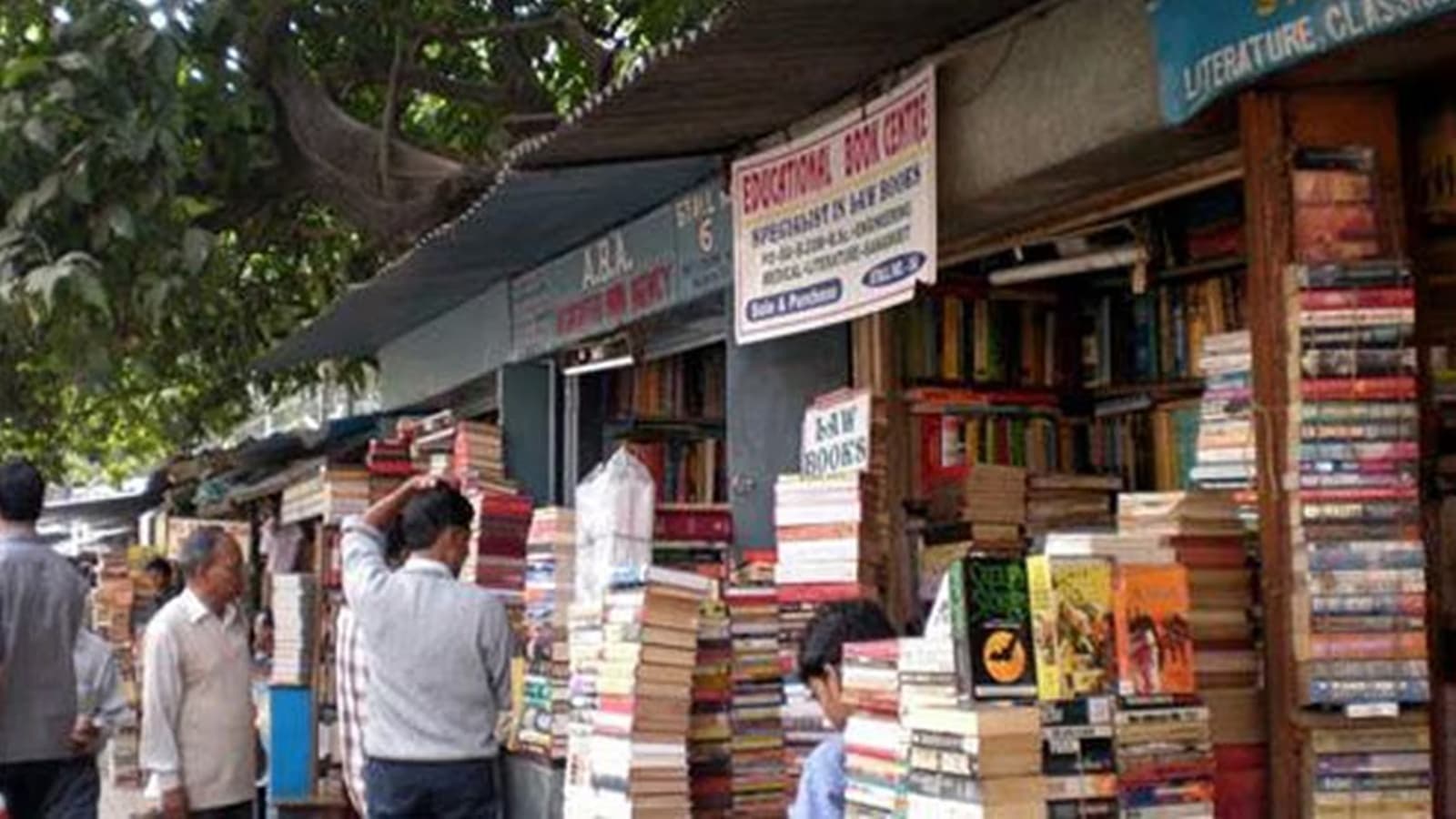
Written by Antoreep Das and Subhosree Modak A cloud of deep uncertainty has gripped College Street, the heart of Kolkata s book trade, as widespread rumors of an impending eviction drive targeting roadside book stalls spread through the area. Coming on the hee... A cloud of deep uncertainty has gripped College Street, the heart of Kolkata’s book trade, as widespread rumors of an impending eviction drive targeting roadside book stalls spread through the area. Coming on the heels of a broader urban cleanup initiative by the new BJP government, the sudden panic has left hundreds of pavement booksellers fearing loss of their livelihoods. Even as Kolkata Municipal Corporation (KMC) authorities deny issuing any official eviction orders, the anxiety on the ground remained palpable. Tension escalated following reports of verbal warnings to vendors directing them to clear the footpaths on Bankim Chatterjee Street. Though no formal written notices ordering eviction have been issued, many vendors have already begun downsizing their displays out of fear. For the pavement booksellers who form the backbone of Boi Para (book-mart), the threat of eviction comes at an already precarious time. A sharp decline in footfall has left many struggling to get by, making the current climate of fear particularly devastating. “I am just a small roadside bookseller. Watching stall owners being evicted is upsetting. This stall is our main and only source of income,” said Samir Halder, who has sold books in the area for forty years. The anxiety is shared across generations of traders who have known no other life outside selling books on boi para. Indrani Dey, whose family bookstore has been around in College Street for nearly thirty years, highlighted that sales have dropped since vendors were told to downsize their displays. “An entire family relies on this,” she said. Beyond the immediate fear of eviction, booksellers also point to a deeper structural crisis that has been eroding their business for years. The traditional market is shrinking, driven by a cultural shift from Bengali-medium state schools to private English-medium institutions. The growing trend of private schools selling textbooks directly to students has also largely cut out traditional roadside vendors. The reaction to the rumored drive has also exposed a rift between pavement hawkers and brick-and-mortar establishments. Owners of government-approved permanent shops remain largely unconcerned, with some viewing the potential cleanup as a necessary measure to reclaim pedestrian footpaths rather than a direct assault on the book trade. For the students and patrons who frequent the area, however, the pavement stalls are inseparable from the identity of the place. “Many who sit on the footpath of stalls nearby use the space to display more books. If they are removed, College Street will lose what makes it special,” said Uditi Biswas, a zoology student. Rohit Debnath, a final-semester M Com student, suggested relocating vendors rather than evicting them. “Books have been part of College Street for generations. A dedicated area for vendors would be a better solution,” he said. As the situation remains tense,
ios_share
Share this article
Article Details
Indian Expressnational